
Aging Research Accelerator
Transforming our understanding of aging by integrating social, behavioral, environmental, and molecular insights to promote longer, healthier lives.
Aging is one of the most urgent public health challenges of the 21st century, with the population of adults aged 65 and older growing rapidly and living longer with complex medical, social, and cognitive needs. Understanding the factors that shape healthy aging—and the inequities that lead to disproportionate burdens of chronic disease, disability, and dementia—is essential for developing effective prevention strategies, supporting caregivers, strengthening health systems, and improving quality of life across the life course.
The Aging Research Accelerator convenes interdisciplinary scholars across Rollins and beyond to advance rigorous, equity‑centered research on the multiple determinants that shape cognitive and functional health across the life course. We integrate population science, exposomics, biostatistics, health policy, health services, and community‑engaged approaches to generate actionable evidence for prevention, early detection, and better outcomes in older adults and their care partners.
The group's key strengths include
- Air pollution and climate health
- Biological aging
- Cancer epidemiology
- Dementia epidemiology
- Digital health
- Spatial methods for place‑based aging research
- Long-term care
- Program evaluation
- Sleep and cardiometabolic epidemiology
Funded Projects
PIs: Lauren McCullough and Ilana Graetz
As AI-enabled tools rapidly enter oncology, there is an urgent need to ensure that these innovations support older adults. This project addresses this gap by evaluating an age-inclusive AI navigation platform designed to support postmenopausal women. By focusing on navigation to improve care, outcomes, and equity, this work positions aging not as a limitation, but as a driver of innovation in cancer care delivery.
Project Aims:
- Adapt an AI navigation tool to support the cognitive, functional, and social needs of postmenopausal women.
- Implement the tool in Emory-affiliated oncology clinics at the Winship Cancer Institute and evaluate how it is used.
- Assess how age-inclusive AI navigation impacts aging-related cancer outcomes.
PIs: Shakira Suglia, Todd Everson, Yan Sun, Terry Hartman
DNA methylation plays a role in gene expression and biological aging, and DNA methylation age (also called epigenetic age) can be compared to chronological age to give insights into the aging process. This project tests the feasibility of using dried blood spot samples, a more cost-effective alternative to blood serum samples, in epigenetic aging research.
Project Aims:
- Demonstrate the feasibility of DNA methylation assessment from dried blood spot samples and explore what factors affect quality
- Test the accuracy of epigenetic age predictions across multiple epigenetic age biomarkers.
- Test whether data from dried blood spot samples can support downstream epigenetic biomarker proxies beyond epigenetic clocks, including a prespecified panel of published protein EpiScores12 and smoking-status scores.
PIs: Regina Shih, Robin Richardson, and Dabney Evans
An estimated 10-11% of Americans aged 60 years and older experience elder abuse, and is is expected to dramatically rise in coming decades. Despite this, there is a lack of prevention and identification research. This project will bring together experts in elder abuse to develop a five-year elder abuse research strategy.
Research Questions:
- What are the most urgent data needed to advance elder abuse prevention and identification efforts?
- How can researchers, providers, and policymakers partner to address these data challenges?
- What are short- (one to two years) and longer-term (three to five years) research priorities to pursue with non-traditional funders?
Accelerator Leadership


Team Members

Alvaro Alonso

Solveig Argeseanu

Howard Chang
Maria Dieci

Christine Ekenga
Dabney Evans
Ilana Graetz

John Hanfelt
Terryl Hartman
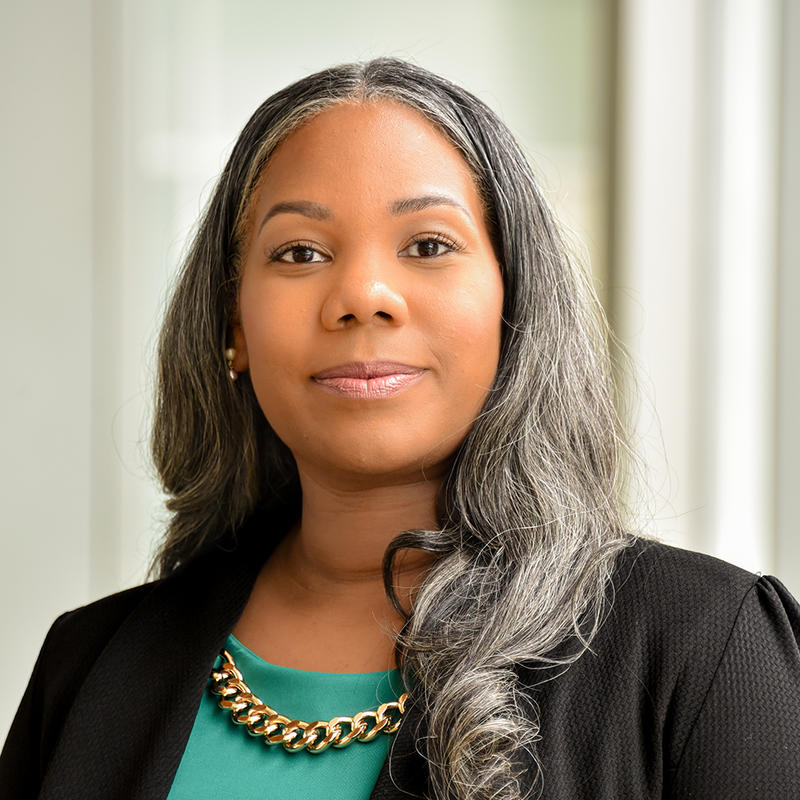
Dayna Johnson

Donghai Liang

Yang Liu
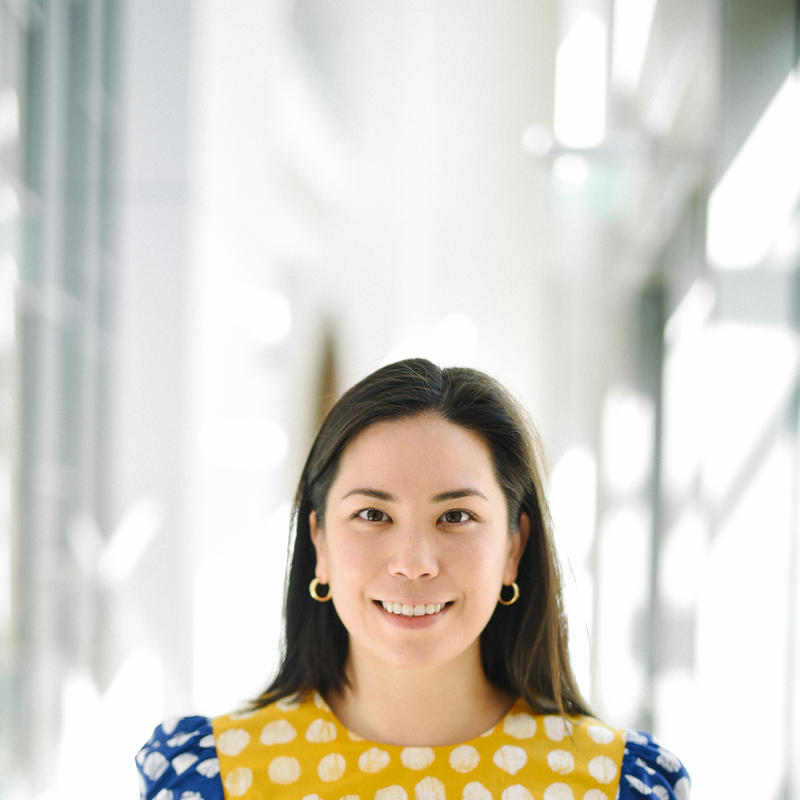
Lillian Madrigal
Amita Manatunga

Lauren Mccullough
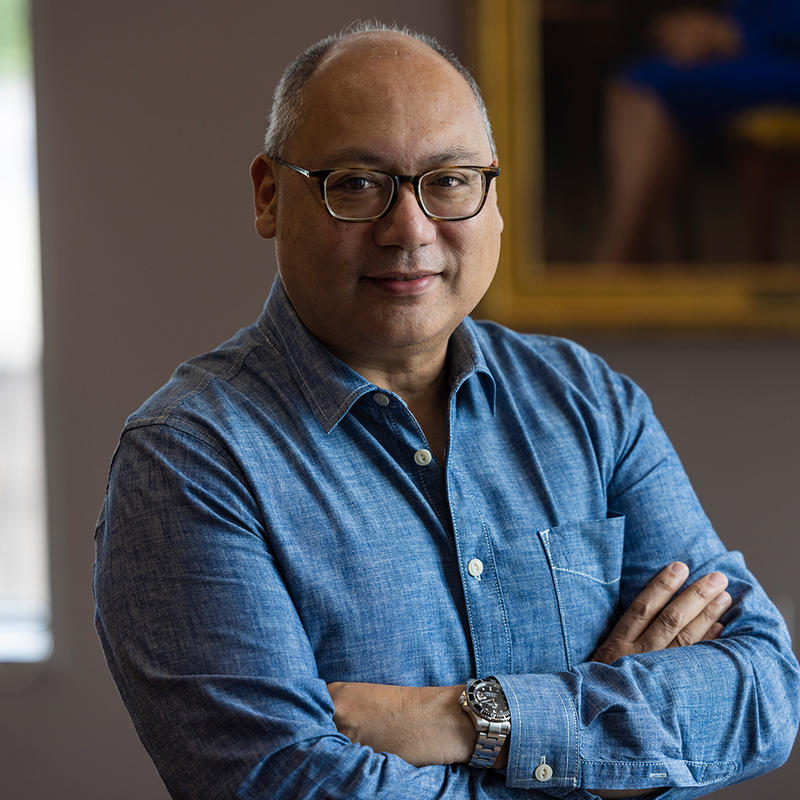
Don Operario

Robin Richardson

Anna Rubtsova

Amina Salamova
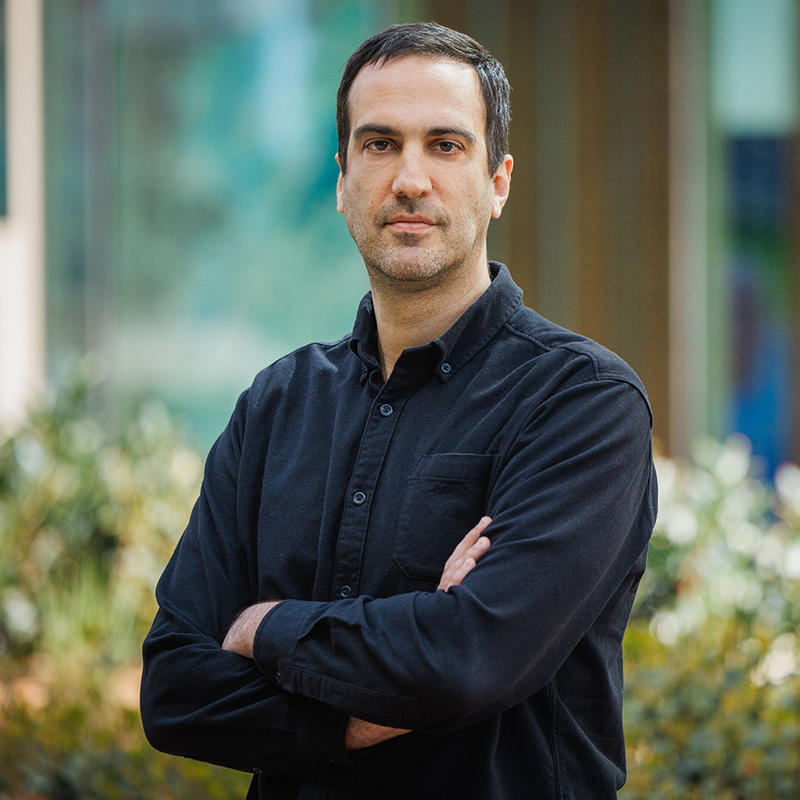
Noah Scovronick
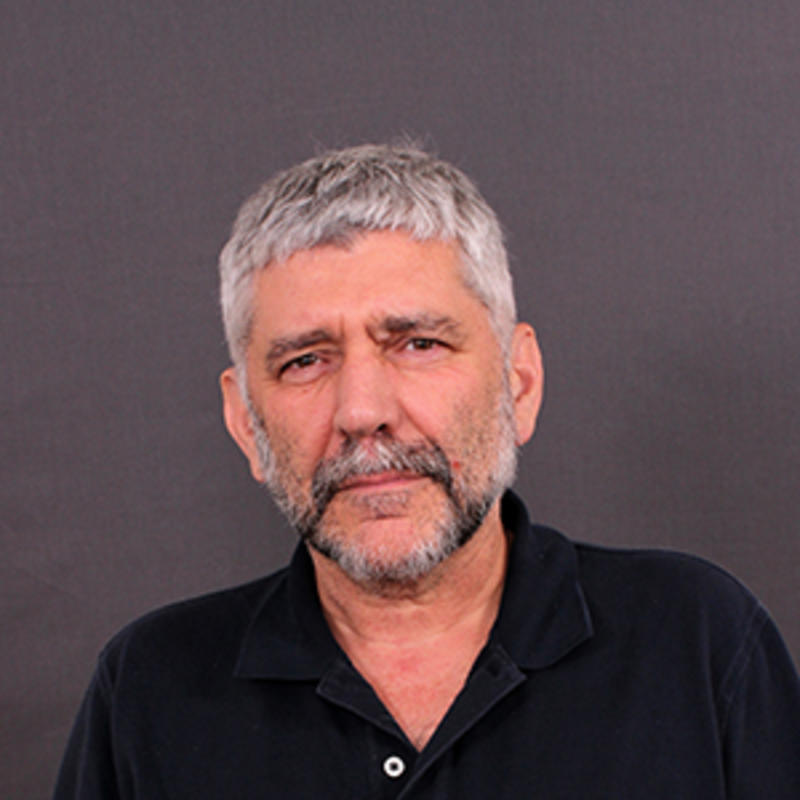
Aryeh Stein
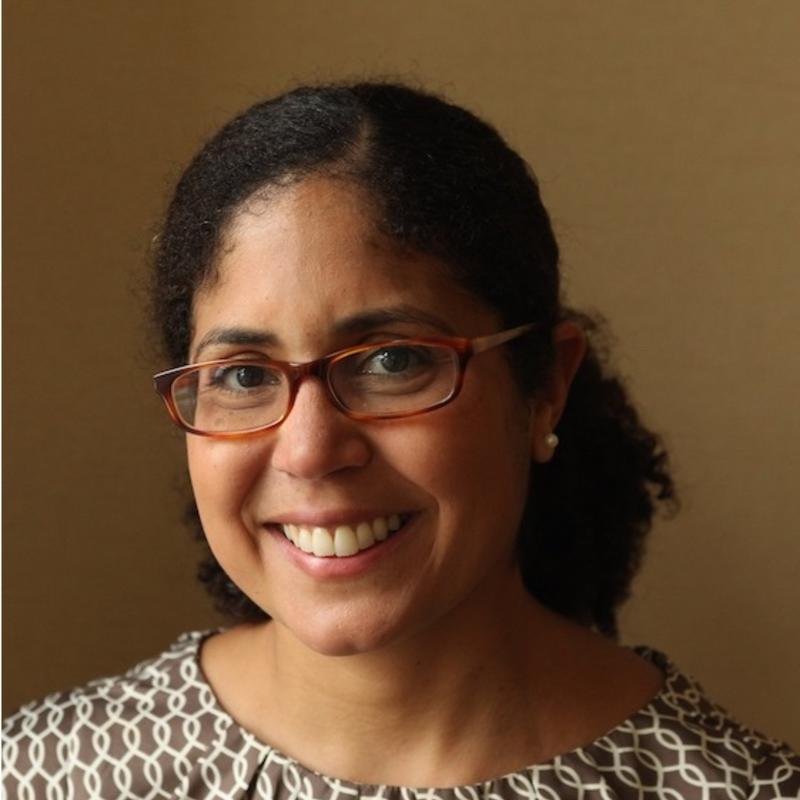
Shakira Suglia

Yan Sun

Lavanya Vasudevan

Lance Waller
