Bio
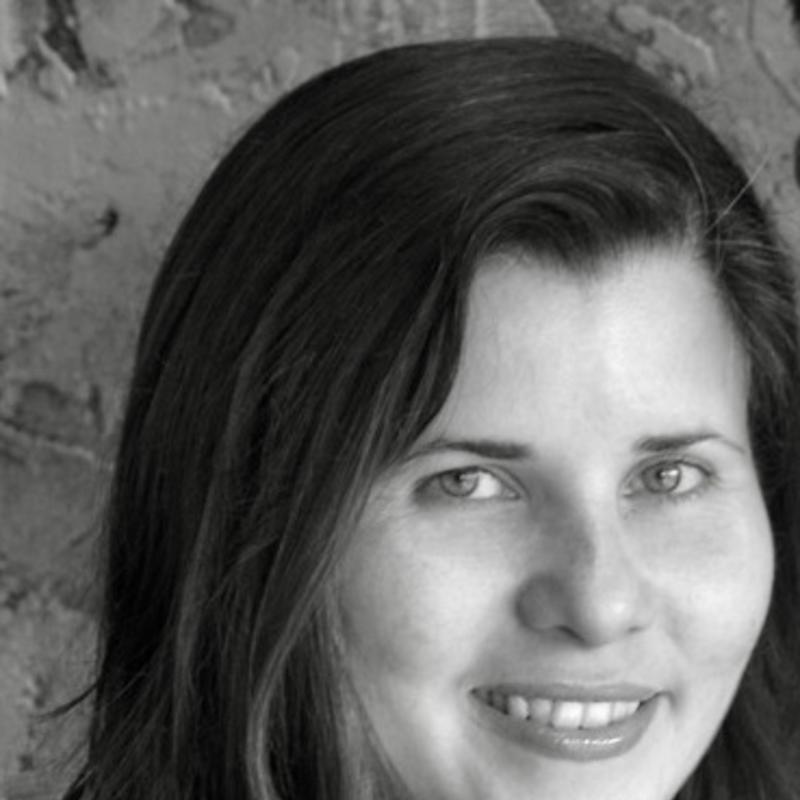
Claudia E. Ordóñez is an anthropologist, interculturalist, and health sciences researcher whose interdisciplinary skillset bridges medical anthropology, health implementation science, and intercultural relations. With a strong grasp of both cultural nuance and epidemiological frameworks, her approach to research integrates behavioral, contextual, and community-level insights into the design and delivery of culturally grounded, evidence-informed health interventions that are effective and sustainable in real-world settings. Anchored in qualitative, mixed-methods, and community-engaged research frameworks, her research projects focus on infectious diseases (especially HIV/AIDS) and span health disparities, inter- and meta-disciplinary research collaborations, plural health systems, traditional medicines, and intercultural proficiency conceptualization, evaluation, and training.
Raised in South America and later immigrating to the United States, she brings deep intercultural awareness and sensitivity, native-level Spanish fluency, and a global/local systems perspective to all her work. She currently teaches graduate-level public health courses at Emory University and collaborates on research initiatives in Africa and the southern United States, including a CDC-supported implementation science HIV molecular network collaboration with Emory University and the Georgia Department of Public Health.
Selected Publications:
NEW! Why Listening Locally Could Save Lives: Lessons from Georgia’s COVID-19 Response "Integrating Hyperlocal and Community-Engaged Approaches to Qualitative Research for COVID-19 Syndemic Response: GEORGIA CEAL Early Findings." The research efforts of GEORGIA CEAL (a Morehouse, Rollins SPH, DeKalb Board of Health, and Southside Medical Center consortium) have centered marginalized voices in research, addressed mistrust and misinformation, and demonstrated the power of hyperlocal engagement. This article documents how listening to local voices and partnering with community leaders can transform health outcomes, putting communities—not just data—at the heart of public health. By engaging directly with Black and Hispanic residents in Georgia, we uncovered key barriers to vaccine uptake and public health communication. The impact of this research is both broad and profound. It identifies essential components for effective intervention implementation, including trust-building through local faith leaders and community organizations—who serve as credible, culturally resonant messengers. In a time when public trust in institutions is increasingly fragile, findings show that effective public health solutions must be both scientifically sound and socially grounded. This work demonstrates that listening to communities is not just respectful—it’s essential. GEORGIA CEAL’s model of integrating hyperlocal and community-engaged research offers a replicable framework for future syndemic and disaster response efforts, positioning community engagement as a cornerstone of equitable and impactful public health strategies.
Community-Centered Assessment to Inform Pandemic Response in Georgia (US)
Addressing coloniality of power to improve HIV care in South Africa and other LMIC
Coordination of Medical Pluralism in Public HIV Health Care in South Africa: Shifting to an Alliance Framework with Traditional Health Practitioners. This book chapter examines the potential for enhanced collaboration between South Africa's public health system and traditional health practitioners (THPs) for HIV care. The author proposes an alliance framework to formally integrate THPs into the healthcare system, aiming to improve patient outcomes by leveraging their community role and addressing the challenges of medical pluralism
Not Race, Racism: Concerns of COVID-19 Affecting African Americans
For a complete list of publications, see:
Claudia E. Ordóñez, antropóloga de la Universidad Nacional de Colombia (Bogotá) e interculturalista de Lesley University (USA). Aplicando la perspectiva antropológica a las ciencias de la salud y a través de una estrategia transdisciplinaria en colaboraciones para la investigación, su trabajo académico busca desarrollar aplicaciones teóricas y prácticas para mejorar servicios de atención a la salud con el fin de aportar al mejoramiento del bienestar humano. En un marco de colaboraciones investigativas entre las ciencias biomédicas y sociales, su trabajo se ha enfocado en discernir y explicar los aspectos socioculturales de la epidemia de VIH y SIDA en la provincia de KwaZulu-Natal en Sudáfrica y en la región suroriental de los Estados Unidos, así como también la integración de servicios salud para VIH con servicios para enfermedades crónicas en el sistema de salud pública en África.
Utilizando la óptica de la antropología médica, su labor académica en el campo del VIH y SIDA incluye investigación en temas relacionados con medicina tradicional africana, sistemas médicos plurales, relaciones de género y poder en el contexto de factores de riesgo para VIH, participación comunitaria en las ciencias de la implementación, y consciencia y sensibilidad intercultural en el ejercicio de las ciencias de la salud.
La profesora Ordóñez también dedica parte de su trabajo profesional a la enseñanza a nivel de posgrado, dictando cursos en el área de desarrollo y salud comunitarios del programa de maestría de la Escuela de Salud Pública de Rollins en la Universidad de Emory, USA. Su trabajo con estudiantes de Emory ha incluido la mentoría a numerosos estudiantes y dirección de tesis de posgrado.
Areas of Interest
- Infectious Disease
- Healthcare Systems
- Global Health
- Latino Health
- Community Based Research
- Social Determinants of Health
- HIV/AIDS Prevention
- Public Health Practice
- Community Health & Development
- Research Methods
- Implementation Science
- Non-communicable Diseases
- Public Health Preparedness and Response
Education
- MA Intercultural Relations, Lesley University
- Anthropologist, Universidad Nacional de Colombia
- PhD Population and Public Health (Candidate), The University of the Witwatersrand
Affiliations
Affiliations and Memberships:
- School of Public Health, Faculty of Health Sciences, University of The Witwatersrand, Johannesburg, South Africa
- Member Community Engagement Subcommittee NIH's HLB-SIMPLe Alliance
- Member American Anthropological Society (AAA), Medical Anthropology Society
- Member Network of Evaluation and Implementation Sciences at Emory (NEISE)
Research Projects:
Courses Taught:
GH-586 Community Health Assessment (3 credits) Offered: fall semester
GH-572 Community Transformation (2 credits). Offered: fall break and January preterm